UK GOV
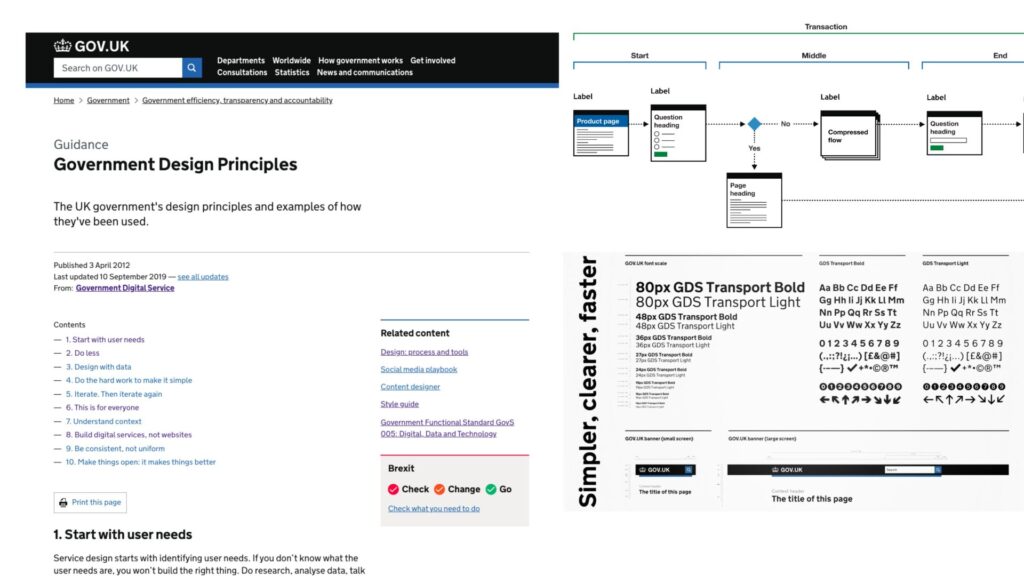
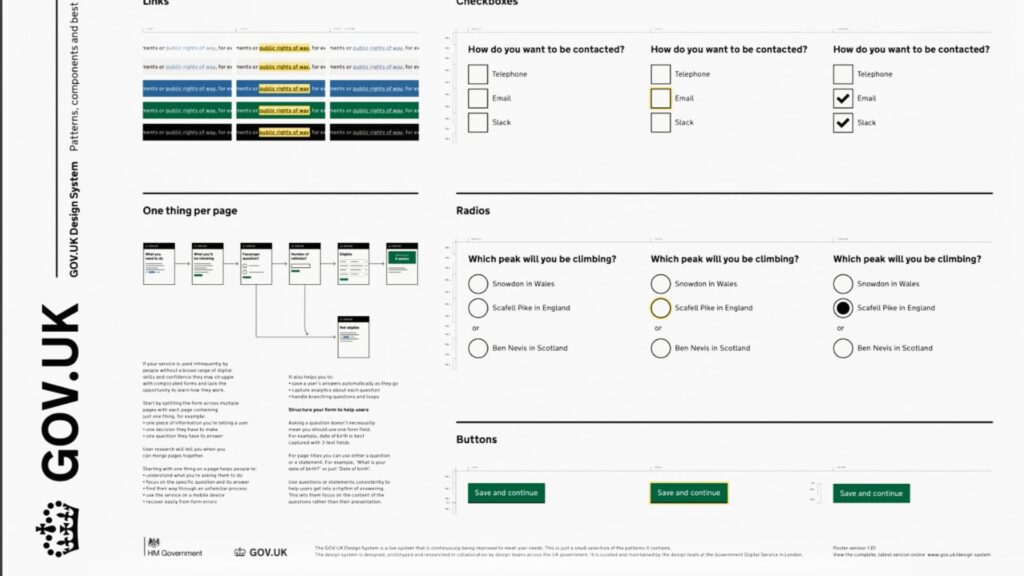
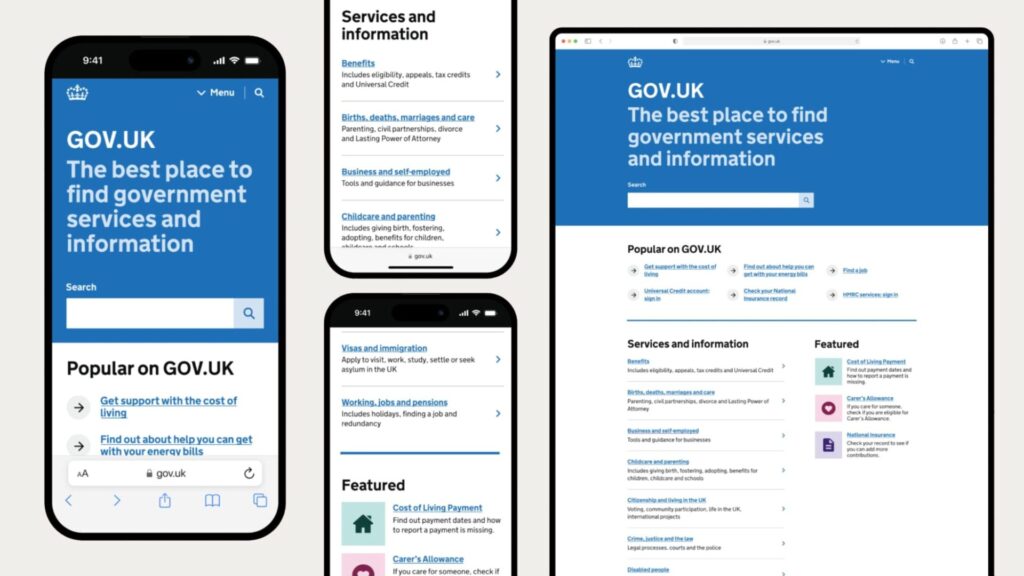
The GOV.UK Government Design System is the foundational design and UX framework for the UK Government’s digital estate. It powers thousands of public sector services and platforms, offering shared standards, components, methods and optimisation guidance to help teams across government build user-centred, consistent and high-performing digital services.
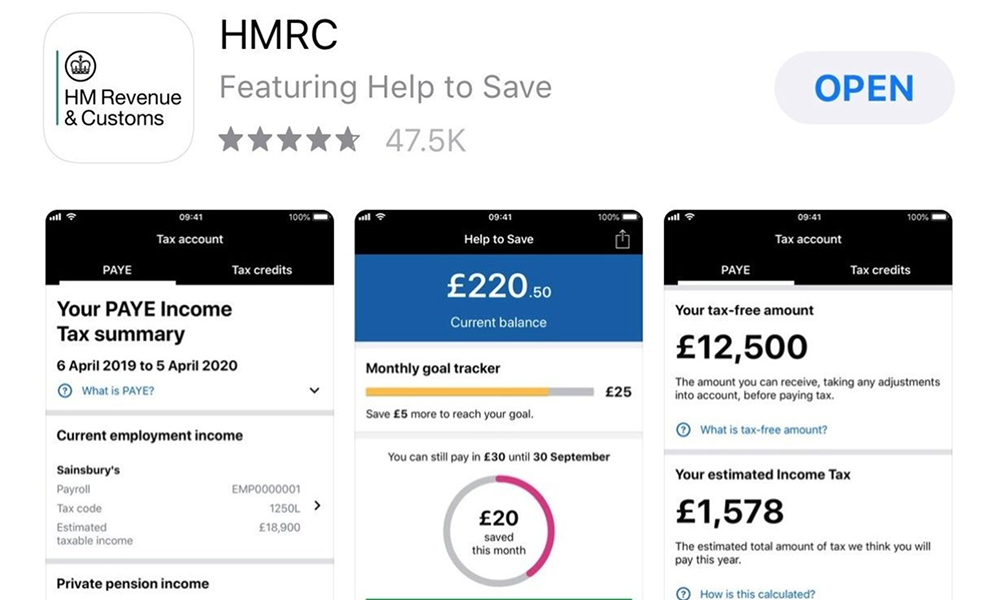
We were engaged long-term by the UK Government Digital Service (GDS) to help establish, direct and scale the centralisation of digital platforms under GOV.UK. Our role combined strategic UX, service design and optimisation thinking across multiple departments—including Cabinet Office, NHS Digital, HMRC, the Department for Work and Pensions, the Department for Transport and HM Treasury—to support the evolution of shared digital practices at national scale.
TYPE
DESIGN SYSTEM
TIMELINE
5 MONTH
YEAR
2024
CONTENT
DESIGN SYSTEM
UI DESIGN
APP/ WEB
CHALLENGE
The UK Government’s digital landscape was highly decentralised, with each department operating its own platforms, teams and design approaches. While services addressed similar user needs, they often did so using different patterns, language and interaction models.
The challenge was not to redesign individual services, but to create a shared system that could work across all of them. This meant addressing several layers of complexity:
– Aligning multiple departments with different priorities, maturity levels and delivery models.
– Creating standards flexible enough to support a wide range of services, from transactional tools to complex end-to-end journeys.
– Ensuring accessibility, usability and performance at scale for services used daily by millions of citizens.
– Defining governance and ownership models that would allow the system to evolve over time.
DEVELOPMENT
Rather than starting with UI components, the work began at a service and organisational level.
We collaborated closely with GDS and departmental teams to understand how services were designed, built and maintained across government. This allowed us to identify recurring user needs, common failure points and opportunities for standardisation.
Based on this understanding, we focused on:
– Defining shared UX principles and service design methods that could be applied consistently across departments.
– Supporting the creation of the Government Service Standard, establishing clear criteria for quality, accessibility and user-centred design.
– Introducing optimisation and measurement practices to evaluate whether services were helping users complete their tasks effectively.
– Helping teams transition from siloed delivery to more collaborative, system-driven ways of working.
– This approach ensured that design standards were grounded in real service needs and practical delivery constraints.
SOLUTION
The outcome was the establishment and evolution of the GOV.UK Government Design System as a strategic, cross-government asset.
The system brought together:
– A structured library of reusable design patterns, components and interaction models.
– Clear documentation and guidance to help teams apply standards correctly and consistently.
– A governance model that allowed contributions from multiple departments while maintaining quality and coherence.
– A shared language for design, accessibility and usability across government.
– Beyond UI, the system connected design decisions to service performance, helping teams make informed trade-offs and design services that work better for users at scale.
SOLUTION
The GOV.UK Government Design System is now embedded across the UK Government’s digital estate, supporting thousands of services and millions of daily interactions.
Its impact includes:
– More consistent and accessible digital experiences for citizens across government services.
– Faster and more efficient delivery through reuse of patterns and shared standards.
– Improved alignment between policy, technology and user experience.
– A lasting cultural shift towards user-centred, evidence-based service design within government.
– By focusing on systems rather than individual products, this work helped establish a sustainable foundation for how digital public services are designed and delivered in the UK.